

Welcome to “A Conversation With a Poet,” an exclusive series where we delve into the minds and musings of contemporary poets. Each session is a journey into the personal and creative realms of a poet, exploring their inspirations, processes, and the profound impact poetry has on their lives. Through these interviews, I aim to uncover the unique voices that share across stanzas and stir the soul, offering my readers a glimpse into the artistry and emotional depth that poetry embodies. Join us as we celebrate the power of words and the poets who craft them.

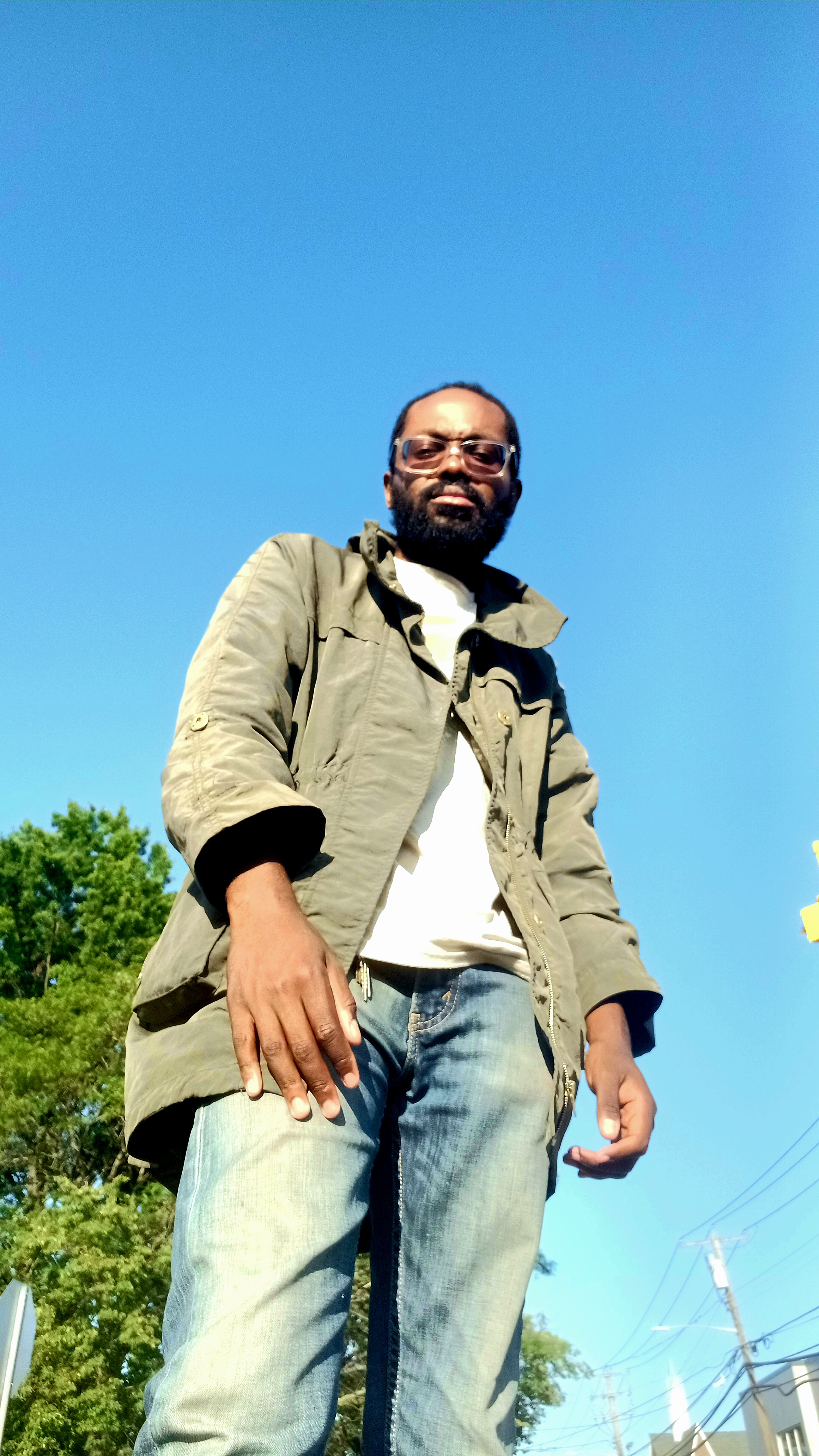
Meet Kris Janvier, a 30-year-old poet from Baldwin, New York, and the author of The Drift Series; a collection that carries readers through tides of introspection, love, and human experience. He began writing poetry as a teenager. His voice is both grounded and ethereal, a modern gem of timeless emotion keeping beat poetry alive.
Poetry Background
What inspired you to begin writing poetry?
Everything inspires me; the movement of life, the sounds inside of music, artist who create visual stories.
Who are your favorite poets, and how have they influenced your work?
Once immersed in music and media, Kris discovered the electric pulse of poetry through voices like Frank O’Hara and Allen Ginsberg. Their influence flickers through his work; raw, rhythmic, and alive with reflection.
Creative Process
Can you describe your writing process? How do you typically start a poem?
My writing is more an instinctive act rather than a structured process. Inspiration often begins with a feeling; a sudden ignition of awareness that sparks creativity. Yet within that awareness lies the challenge: to stay open without becoming self-conscious, to write freely without interference from thought. Even during something as ordinary as a bus ride, my mind turns to these ideas, constantly observing, reflecting, and translating the movement of life into language.
Do you have any rituals or environments that enhance your creativity?
I don’t hold to any strict rituals when it comes to writing, but I draws constant energy from creative spaces. Open mics, AMC theaters, and art institutions like MoMA, Fotografiska, and the International Center of Photography are my haunts — places where art breathes and inspiration lingers.
“Anything that’s art, that’s my community.”
Immersed in these spaces, I finds the rhythm and perspective that keeps my creativity alive.
How often do you write, and do you have specific times of day that you find more productive?
I write when I have a feeling. Sometimes the words come easily, like I’ve stepped into a current and just have to let it carry me. Other times, I’m stuck on the shore, overthinking every line, every image. My process depends on the moment; on whether the feeling decides to stay.
Themes and Motivation
What themes or subjects do you find yourself returning to in your poetry? Why?
I keep coming back to the things that build and move the world around me; streets, buildings, food, cars, the human body, time, nature, plants, the sun and moon. Even anime and music. They’re everywhere, always circling back. These are the textures of daily life, and somehow, they keep asking to be written about.
What is the most challenging aspect of writing poetry for you?
The hardest part of writing poetry is the feeling that I’m just repeating myself; that I’ve said it all before. It makes me overthink sometimes, wondering if I’m actually growing or just circling the same thoughts in different words. But maybe that’s part of it — learning to find new meaning in the familiar.
What do you hope to communicate or evoke in your readers?
I want readers to feel a sense of awareness; to see how much depends on really noticing the world around them. I hope my poetry reminds people that imagination isn’t just for dreaming; it’s a tool for survival, maybe even for saving the world.
Publication and Sharing
Have you published your poetry? If so, in what formats (books, online, magazines, etc.)?
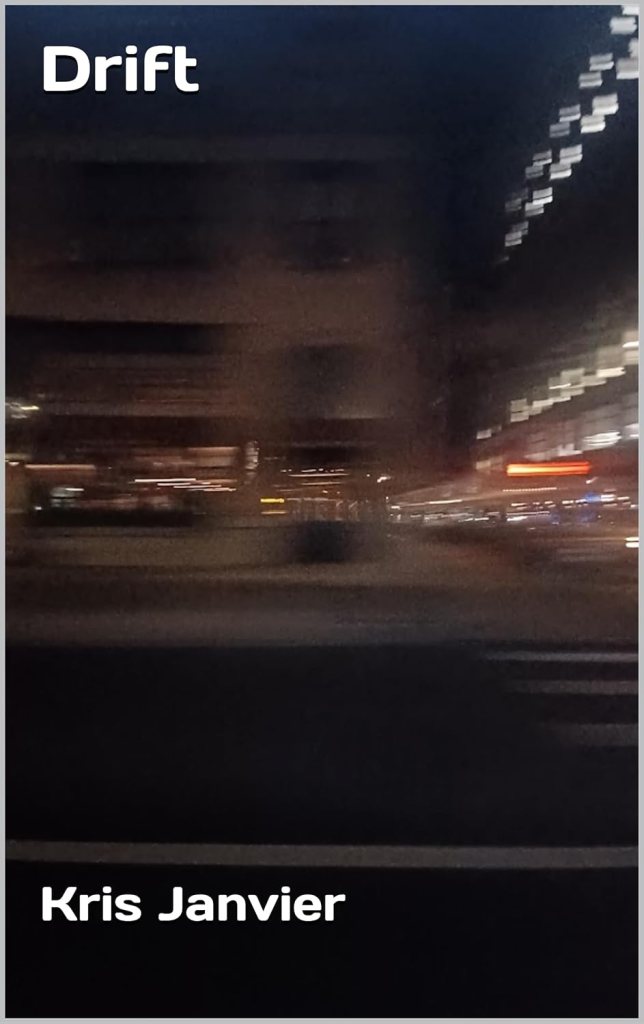
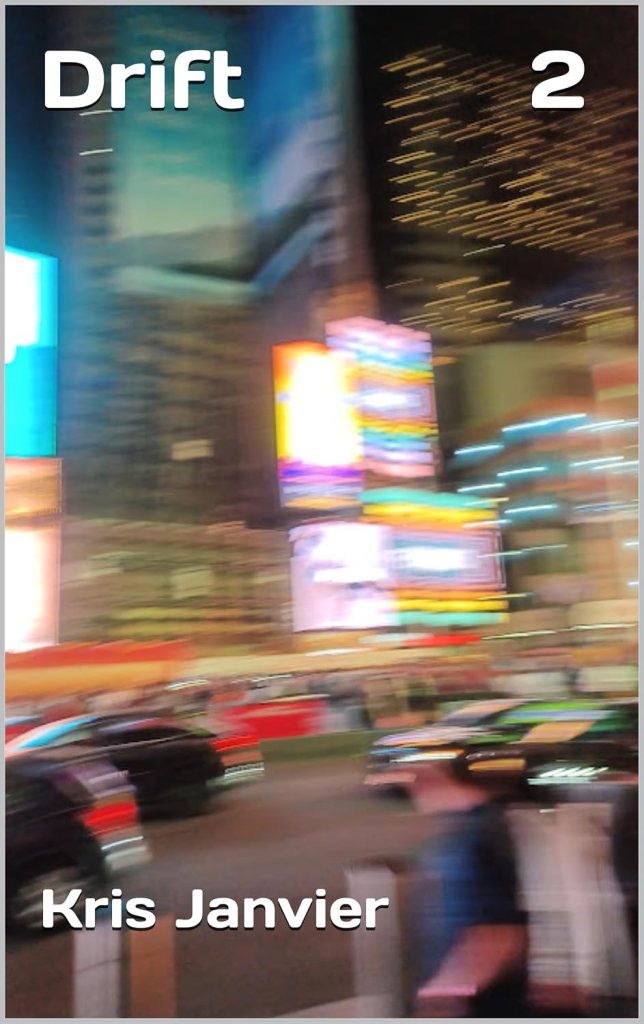
I am the author of Drift, a series of poetic collections.
Click the book covers to purchase copies

How do you feel about sharing your poetry with the public?
Sharing my poetry with the public feels good; natural, even. Writing is personal, but once it’s out there, it becomes a bridge. If something I write can reach someone, spark a thought, or inspire them to create their own version of truth, then it’s worth every word.
What has been the most rewarding or memorable response to your work?
The most rewarding thing anyone’s ever told me is that my poetry is visual; that when I read, they can see everything. That means a lot to me, because it tells me the imagery landed, that the words built a world vivid enough for someone else to step inside it.
Creative Challenges and Overcoming Them
Describe a time when you experienced writer’s block and how you overcame it.
Writer’s block hits hardest when I start thinking about other people’s doubts; when I hear the voices saying I won’t make it far, that poetry doesn’t make money. Those thoughts used to stop me cold. But what pulls me out every time is awareness; knowing my life, my experiences, are what keep me afloat and make my art worth writing.
Have you ever been dissatisfied with a poem you wrote? How did you revise it or deal with the dissatisfaction?
When I’m dissatisfied with a poem, it’s usually because it doesn’t feel visual enough; like I can’t see it yet. When that happens, I leave it alone. I don’t force it. Sometimes I start another poem instead, or I just stop writing for the day. Eventually, the image returns when it’s ready.
Community and Collaboration
Are you part of any poetry communities or groups? How do these communities influence your work?
Yes, I’m part of several poetry communities, and I always make time to stay involved. The people there are positive, supportive, and genuinely inspiring. Listening to their readings helps me let go of my worries and reconnect with the joy of creating; it reminds me why I write in the first place.
Have you ever collaborated with other poets or artists? What was that experience like?
Yes, I’ve collaborated with other poets before; it was dope. We were on a rooftop, trading lines under the open sky, energy bouncing between us. There’s something powerful about creating together, letting different voices weave into one rhythm. It reminded me that poetry can be both solitary and shared.
Influence and Inspiration
Besides poets, what other sources of inspiration do you draw from? (e.g., music, art, nature)
My inspirations stretch far beyond poetry. I draw from music; artists like Elliott Smith, Nas, Jay-Z, Common, and Frank Ocean, and from writers like Natsuo Kirino and Robert Lindner. Visual artists such as Richard Avedon and creators like Tatsuki Fujimoto and Akira Toriyama also influence me. Even athletes like Michael Jordan and LeBron James inspire my work ethic and creative rhythm.
Will you share a poem you’ve written?

The Chainsaw Sestina
The chainsaw blades sprout out of his arms
and 1 out of his head,
ready to slay a huge muscle devil
that is 150 feet tall and 85 feet wide,
smash buildings with vulnerable people
and squash them like roaches on the street.
Denji arrives after running through the broken street
and meet face to face with the giant with its pulsating arms,
Tokyo circa ‘97, with the population of 34 million people,
but Denji wouldn’t let that kind of weight go to his head.
He shoots the chains that can go 255 feet long, not wide
and went around 3 times to tie the waist of the devil.
“You will hand over the heart of the chainsaw devil.”,
the musclehead demanded during their staredown on the street.
“Sure, no problem. I’ll think about it after I cut you wide!!!!”,
Denji responded as he pulled the ripcord to speed up the blade in his arms.
He proceeds to charge and slice the giant’s knee with his head.
It fell on the ground and blood blasted out of it and rained on people.
“SSSSSSHHHHHHH!!!!!!” like a high-powered fire hose washing away people,
so much power that it even frightened the muscle devil
as Denji hops high in the air and dive into the giant’s head
Splitting its brain in half with fluid crawling in the street.
The giant is now dead and Denji is satisfied as he pulls back his arms
and laughs maniacally with his mouth wide.
He powers down. His chain still wrapped around the giant’s waist so wide.
During his recovery, he heard the screeching cheers from people
who are soaked in blood from head to toe, even their arms.
Once again, he saves the day and they praise the hybrid devil,
but now he has paperwork for property damages in the street.
A problem that’ll forever remain in his head.
After hours of signing paperwork, he’s in the shower shampooing his head.
After he lathered his body and rinsed, he opens his mouth wide
while standing in front of the sink brushing his teeth so he doesn’t hear the street
that is filled with grieving people
having mixed feelings about the hybrid devil.
Before bed, he drinks water, eats bread with jam and stretches his arms.
Denji rests his head while the reporters interview people
And public safety measures how wide is the muscle devil
Before cutting the flesh down to pieces to get the arms out of the street.
Future Aspirations
What are your goals as a poet for the next few years?
My goal is simple: to keep writing and turning my words into books. I want to keep performing, keep traveling, keep drifting through new places and experiences that feed my art. As long as I’m creating and connecting through poetry, I’m exactly where I’m meant to be.
Are there new themes or styles you are interested in exploring?
Lately, I’ve been drawn to trees and plants; how they exist, communicate, and endure. There’s a quiet poetry in their stillness. I’ve also been thinking a lot about lying; the human tendency to distort truth, and what that says about connection and survival. Both fascinate me in very different ways.
Advice and Reflections
What advice would you give to someone just starting out in poetry?
Just write. Don’t overthink it. Let the words come out however they need to. The more you write, the more your voice will reveal itself.
How has writing poetry impacted your life personally and professionally?
Writing poetry has opened my world and helped me meet new people, build connections, and find independence through expression. It’s given me both community and a sense of self-reliance that keeps me grounded.
Memorable Quote
Writer’s block hits hardest when I start thinking about other people’s doubts; when I hear the voices saying I won’t make it far, that poetry doesn’t make money. Those thoughts used to stop me cold. But what pulls me out every time is awareness; knowing my life, my experiences, are what keep me afloat and make my art worth writing.
Follow Kris on Social Media
In wrapping up another enlightening conversation, we thank our featured poet for sharing their truths and creative spirit. Each dialogue in “A Conversation With a Poet” enriches our understanding of the intricate tapestry that is poetry. We invite you to reflect on the insights shared today and to join us as we continue exploring the profound connections between words and worlds. Stay tuned for more inspiring encounters in this series.

Discover more from Vennie Kocsis
Subscribe to get the latest posts sent to your email.


 Vennie Kocsis