

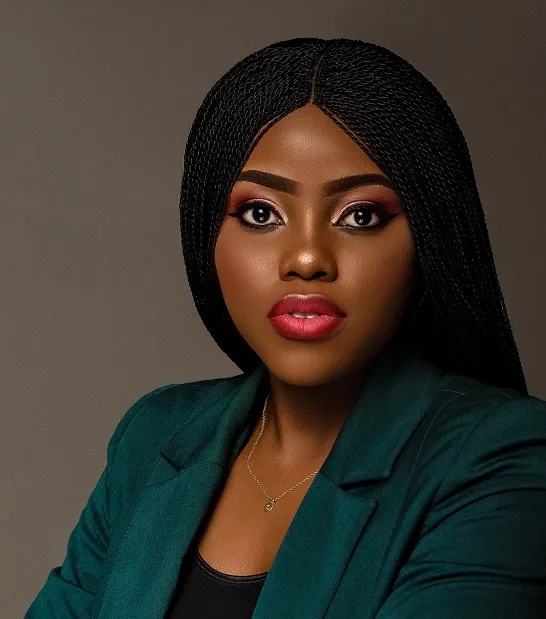
Welcome to “A Conversation With a Poet,” an exclusive series where we delve into the minds and musings of contemporary poets. Each session is a journey into the personal and creative realms of a poet, exploring their inspirations, processes, and the profound impact poetry has on their lives. Through these interviews, I aim to uncover the unique voices that share across stanzas and stir the soul, offering my readers a glimpse into the artistry and emotional depth that poetry embodies. Join us as we celebrate the power of words and the poets who craft them.
Poetry Background
When did you first start writing poetry?
I first started writing poetry in 2009, drawn to the expressive power of language and the ability to convey complex emotions and experiences through verse. It was during this time that I discovered poetry as a means of exploring my thoughts, reflecting on my identity, and connecting with the world around me. The rhythmic flow of words and the freedom to play with imagery captivated me, and I quickly realized that poetry would become a central part of my creative journey. Since then, it has been a constant source of inspiration and a way to articulate the nuances of life.
What inspired you to begin writing poetry?
My inspiration to begin writing poetry stemmed from a deep appreciation for the power of language and storytelling. Growing up in a culturally rich environment, I was surrounded by oral traditions that celebrated the art of narrative, which ignited my passion for expressing thoughts and emotions through verse.
Additionally, personal experiences, both joyful and challenging compelled me to seek solace and understanding in writing. Poetry became a refuge where I could explore my identity, reflect on my surroundings, and articulate the complexities of human experience. The ability to distill profound feelings into concise, evocative language captivated me, and I found that poetry allowed me to connect with others on a deeper level. This combination of cultural influence and personal exploration ultimately fueled my desire to write and share my voice through poetry.
Who are your favorite poets, and how have they influenced your work?
My favorite poets are predominantly African, deeply influenced by the Negritude movement, which celebrates Black identity, culture, and heritage. Poets such as Léopold Sédar Senghor, Wole Soyinka, and Dennis Brutus have profoundly shaped my understanding of the power of language to convey the richness of the African experience. Their work inspires me to explore themes of identity, resilience, and cultural pride in my own poetry.
Additionally, I draw inspiration from the rhythms and emotions found in music. The lyrical quality of song lyrics often informs my writing style, encouraging me to experiment with sound, rhythm, and imagery. This fusion of poetic tradition and musical influence allows me to create verses that resonate with both the heart and the mind, ultimately enriching my exploration of life’s complexities through poetry.
Creative Process
Can you describe your writing process? How do you typically start a poem?
My writing process is both intuitive and reflective, often beginning with a spark of inspiration that can come from various sources, an emotion, a vivid image, a line of music, or a moment of observation. I typically start a poem by jotting down these initial thoughts or phrases in a notebook, allowing the ideas to flow freely without the pressure of structure or perfection.
Once I have a collection of ideas, I delve deeper into the themes I want to explore. I may conduct research or draw from personal experiences to enrich the content. I often create a rough outline or mind map to organize my thoughts and identify the emotional core of the poem.
From there, I begin drafting, focusing on the rhythm and sound of the words. I pay close attention to imagery and metaphor, seeking to evoke emotions and create vivid scenes. Revision is a crucial part of my process, where I refine language, structure, and tone to ensure the poem resonates with authenticity and depth. Ultimately, my writing process is a journey of exploration, allowing me to connect with my thoughts and emotions while crafting a piece that speaks to the reader.
Do you have any rituals or environments that enhance your creativity?
Yes, I have several rituals and environments that enhance my creativity and foster a conducive atmosphere for writing. One of my key rituals is establishing a dedicated writing space, often a quiet corner in my home filled with natural light and surrounded by inspiring books and art. This space becomes a sanctuary where I can immerse myself in the creative process without distractions.
I also find that incorporating nature into my routine significantly boosts my creativity. Whether it’s taking a walk in a nearby park or sitting under a tree, the sights and sounds of the natural world often spark new ideas and perspectives.
Additionally, I have a habit of listening to music that resonates with my mood or the themes I’m exploring. The rhythm and emotion of music can inspire the flow of words and help me tap into deeper feelings.
How often do you write, and do you have specific times of day that you find more productive?
My writing schedule varies significantly, as I often find myself writing daily, weekly, or monthly, depending on the ebb and flow of inspiration. I embrace the organic nature of creativity, allowing it to guide my writing habits rather than adhering to a strict routine.
However, I have noticed that I tend to be most productive during the early morning hours when the world is quiet and my mind is fresh. This time allows me to engage deeply with my thoughts and emotions without the distractions of daily life.
On days when inspiration strikes, I may write for several hours, immersing myself in the creative process. Conversely, during periods of lower inspiration, I might focus on revising existing work or exploring new ideas in a more casual manner. Ultimately, I remain flexible, trusting that creativity will manifest in its own time and rhythm.
Themes and Motivation
What themes or subjects do you find yourself returning to in your poetry? Why?
In my poetry, I frequently return to themes of identity, belonging, genealogy, and survival. These subjects resonate deeply with my personal experiences and the broader human experience, allowing me to explore the complexities of what it means to be human.
Identity is a central theme as I navigate the multifaceted nature of selfhood, particularly within the context of cultural heritage and personal history. I seek to articulate the nuances of identity formation, especially as it relates to race, culture, and the intersections of various influences.
Belonging is another recurring theme, reflecting the universal desire for connection and acceptance. I explore the ways in which individuals and communities seek to find their place in the world, often grappling with feelings of displacement or alienation.
Genealogy plays a significant role in my work as well, as I delve into the stories of ancestors and the legacies they leave behind. This exploration of lineage not only honors my roots but also highlights the interconnectedness of our histories and the impact they have on our present identities.
Finally, the theme of survival permeates my poetry, as I draw inspiration from the resilience of individuals and communities facing adversity. I aim to celebrate the strength and determination that emerge in the face of challenges, reminding readers of the power of hope and perseverance.
Together, these themes create a rich tapestry that reflects the complexities of life, inviting readers to engage with their own stories of identity, belonging, and resilience.
What is the most challenging aspect of writing poetry for you?
The most challenging aspect of writing poetry for me is often the struggle to distill complex emotions and ideas into concise, impactful language. Poetry demands precision and clarity, requiring me to choose each word carefully to convey depth and nuance. This process can be both exhilarating and daunting, as I seek to capture the essence of a feeling or experience in a way that resonates with readers.
Additionally, the pressure to evoke strong imagery and emotion while maintaining a cohesive structure can lead to moments of self-doubt. I sometimes grapple with the fear of not fully articulating my thoughts or failing to connect with my audience.
However, I view these challenges as integral to the creative process. They push me to dig deeper, refine my craft, and ultimately produce work that is authentic and meaningful. Embracing the struggle allows me to grow as a poet and to explore the rich complexities of language and expression.
What do you hope to communicate or evoke in your readers?
In my poetry, I hope to communicate and evoke a profound sense of empathy in my readers. I strive to create connections that transcend individual experiences, inviting readers to step into the shoes of others and understand their emotions, struggles, and triumphs. By exploring themes of identity, belonging, and resilience, I aim to illuminate the shared human experience, fostering a deeper appreciation for the diverse narratives that shape our world.
Through vivid imagery and evocative language, I seek to elicit feelings that resonate on a personal level, encouraging readers to reflect on their own lives and the lives of those around them. Ultimately, my goal is to inspire compassion and understanding, reminding us all of our interconnectedness and the importance of embracing the richness of our shared humanity.
Publication and Sharing
Have you published your poetry? If so, in what formats (books, online, magazines, etc.)?
Yes, I have published my poetry in various formats, including three collections. My most recent collection, “The Rise and Fall of Rhymes and Rhythms” (2025), is followed by “A Tale of Being, of Green and of Ing” (2019) and Voices: A Collection of Poems that Tell Stories (2016).
In addition to these books, my poems have appeared in numerous literary journals and online platforms, including Clay Literary, Trampset, Galleyway, Afritondo, Shuf Poetry, The Open Culture Collective, Lumiere Review, Dipity Magazine, The Unconventional Courier, The Agam Agenda, The Creative Zine, Konya Shamsrumi, Sevhage, Moremi Review, Tampered Press, Nightingale and Sparrow, Versopolis, Auvert Magazine, Panocha Zine, Visual Verse, Pride Magazine, The Dirigible Balloon, The BeZine, Outside the Box Poetry, Spirits Magazine, Unheard Stories Magazine, Genre: Urban Arts Magazine, Unclear Magazine, Broots Magazine, and Beyond the Quill, among others.
These publications have allowed me to share my voice and connect with a diverse audience, enriching my journey as a poet and storyteller.
How do you feel about sharing your poetry with the public?
I feel good about sharing my poetry with the public, as it allows me to connect with readers on a deeper level and contribute to the broader conversation about the human experience. Poetry is a powerful medium for expressing emotions, exploring complex themes, and fostering empathy, and I believe that sharing my work can resonate with others in meaningful ways.
Each poem is a reflection of my thoughts, experiences, and observations, and sharing them invites readers to engage with those ideas and perhaps see the world from a different perspective. The feedback and connections I receive from readers are incredibly rewarding, reinforcing the idea that art can bridge gaps and create understanding. Ultimately, sharing my poetry is not just about showcasing my work; it is about fostering dialogue, inspiring reflection, and celebrating the shared journey of life through the written word.
What has been the most rewarding or memorable response to your work?
The most rewarding and memorable response to my work has been experiencing the kindness of strangers who have purchased copies of my poetry collections. Each time someone invests in my work, it feels like a profound validation of my creative journey. Their willingness to engage with my words and share their thoughts on how the poems resonate with them is incredibly humbling.
I have received heartfelt messages from readers expressing how a particular poem touched them, inspired reflection, or even provided comfort during challenging times. These connections remind me of the power of poetry to transcend boundaries and foster empathy. Knowing that my work has made a positive impact on someone’s life, even in a small way, is the ultimate reward for me as a poet. It reinforces my commitment to continue writing and sharing my voice, as it is through these interactions that the true magic of storytelling unfolds.
Creative Challenges and Overcoming Them
Describe a time when you experienced writer’s block and how you overcame it.
I experienced a significant bout of writer’s block while working on my poetry collection, *The Rise and Fall of Rhymes and Rhythms*. I found myself struggling to articulate the emotions and lessons I wanted to convey, feeling overwhelmed by the pressure to create something meaningful for young readers.
To overcome this block, I decided to step away from my writing desk and immerse myself in nature, seeking inspiration in the world around me. I took long walks in the park, allowing the sights and sounds of the environment to stimulate my creativity. During these moments of reflection, I began to jot down observations, feelings, and snippets of conversations that sparked my imagination.
Additionally, I revisited some of my favorite poetry collections, allowing the rhythms and themes of other poets to reignite my passion for language. This combination of stepping back, seeking inspiration, and reconnecting with the joy of poetry ultimately helped me break through the block and return to my writing with renewed energy and clarity.
Have you ever been dissatisfied with a poem you wrote? How did you revise it or deal with the dissatisfaction?
Yes, I have experienced dissatisfaction with certain poems I’ve written, particularly when I felt that they didn’t fully capture the emotions or ideas I intended to convey. One such instance occurred while working on a piece that explored themes of identity and belonging. Despite my efforts, the poem felt flat and lacked the depth I was aiming for.
To address this dissatisfaction, I took a step back and allowed myself some distance from the poem. I revisited it after a few days with fresh eyes, which helped me identify specific areas that needed improvement. I focused on enhancing the imagery and emotional resonance, experimenting with different metaphors and structures to better articulate my thoughts.
Community and Collaboration
Are you part of any poetry communities or groups? How do these communities influence your work?
Yes, I am part of Afro Unidad, a vibrant community dedicated to promoting and elevating the African experience through poetry and the arts. Being involved in this community has profoundly influenced my work, providing a supportive network of fellow poets and artists who share similar values and cultural backgrounds.
Afro Unidad fosters an environment where we can exchange ideas, share our creative processes, and celebrate our diverse narratives. The discussions and workshops within the community inspire me to explore new themes and perspectives, enriching my understanding of the African experience and its complexities.
Have you ever collaborated with other poets or artists? What was that experience like?
Yes, I have had the wonderful opportunity to collaborate with musician Frank Horvat, where my poem “This Too Shall Pass” was transformed into lyrics for a musical composition. This experience was incredibly enriching, as it allowed me to see my words take on a new life through the medium of music.
Working with Frank was a seamless blend of poetry and melody, where we exchanged ideas and interpretations, exploring how the rhythm of the music could enhance the emotional depth of the poem. It was fascinating to witness how the musical arrangement brought out nuances in the text that I had not fully realized in isolation.
This collaboration not only deepened my appreciation for the interplay between poetry and music but also expanded my creative horizons. It reinforced the idea that art is a collaborative endeavor, where different forms can come together to create something greater than the sum of its parts. Overall, this experience has inspired me to seek out more interdisciplinary collaborations, as they enrich my work and foster a sense of community within the arts.
Influence and Inspiration
Besides poets, what other sources of inspiration do you draw from? (e.g., music, art, nature)
Besides poetry, I draw significant inspiration from music, which profoundly influences my writing process and creative expression. The rhythms, melodies, and emotional depth found in music resonate with me, often sparking ideas and evoking feelings that translate beautifully into verse.
Listening to various genres from afrobeats to pop, allows me to explore different emotional landscapes and narrative possibilities. Lyrics from songs can ignite my imagination, prompting me to experiment with language and structure in my own work.
Additionally, the act of creating music, whether through collaboration or simply enjoying it, helps me tap into a deeper sense of rhythm and flow in my poetry. Music serves as a powerful backdrop to my writing, enhancing my ability to convey emotion and connect with readers on a visceral level. Ultimately, it is this synergy between poetry and music that enriches my creative journey and fuels my passion for storytelling.
Will you share a poem you’ve written and explain the story or inspiration behind it?
Here is a poem I’ve written titled “Leader of Crowns,” which I crafted specifically for my daughter:
Leader of Crowns
To the one who is always in my heart,
First fruit budding, gradually greening,
Manifest masterpiece of form and art,
So suckling still, this stem-stock burgeoning.
Verily, greatness cusps in your being,
For you are pristine royalty, my child.
May all of your days be happy and mild;
Of gold and rubies, yours is a rare find.
On the day I first carried you, I smiled,
Lovingly and said, “May you find life, kind.”
This poem was inspired by the profound love and hope I have for my daughter. It reflects my aspirations for her future, celebrating her uniqueness and potential. The imagery of growth and royalty symbolizes her journey as she blossoms into her own person, embodying both strength and grace.
The metaphor of her being a “manifest masterpiece” captures the beauty I see in her, while the references to “gold and rubies” highlight her rarity and value in my life. Ultimately, the poem serves as a heartfelt blessing, wishing her happiness and kindness as she navigates the world. Writing this piece allowed me to express my deep affection and the dreams I hold for her, creating a lasting reminder of my love and support as she grows.
Future Aspirations
What are your goals as a poet for the next few years?
As a poet, my goals for the next few years involve a period of reflection and rejuvenation, as I take a break from writing. During this time, I aim to immerse myself in reading and exploring the works of other poets, allowing their voices and styles to inspire me anew.
I also plan to engage with the literary community through workshops, readings, and discussions, fostering connections that can enrich my understanding of poetry and its evolving landscape. This break will provide me with the opportunity to reflect on my previous work, consider new themes and ideas, and recharge my creative energy.
Ultimately, my goal is to return to writing with fresh perspectives and renewed passion, ready to explore new projects that resonate with my experiences and the world around me. I believe that this intentional pause will enhance my growth as a poet and deepen the impact of my future work.
Are there new themes or styles you are interested in exploring?
Yes, I am eager to explore new themes and styles in my future poetry. In my most recent work, I experimented with the structured form of a dizain, which allowed me to play with rhythm and rhyme while conveying meaningful life lessons. This experience has deepened my appreciation for the power of form in shaping the emotional resonance of a poem.
In subsequent works, I plan to experiment with free verse, which offers greater flexibility and freedom in expression. This style will allow me to delve into more abstract themes and explore the nuances of language without the constraints of traditional structure. I am particularly interested in examining contemporary issues such as identity, environmental justice, and the complexities of human relationships through this lens.
By blending different styles and themes, I hope to create a diverse body of work that reflects my evolving voice as a poet and resonates with a wide range of readers.
Advice and Reflections
What advice would you give to someone just starting out in poetry?
Embrace your unique voice and write authentically. Read widely to explore diverse styles and themes, and don’t hesitate to experiment with different forms. Revise your work diligently, seeking feedback from trusted peers. Most importantly, write regularly and trust the process, your journey as a poet is a valuable one.
How has writing poetry impacted your life personally and professionally?
Writing poetry has profoundly impacted my life both personally and professionally. Personally, it serves as a vital outlet for self-expression, allowing me to explore my emotions, experiences, and identity. It has provided solace during challenging times and has deepened my understanding of the human experience, fostering empathy and connection with others.
Professionally, poetry has opened doors to various opportunities, including publications, collaborations, and engagements within the literary community. It has enhanced my communication skills, enabling me to articulate complex ideas with clarity and creativity. Additionally, my work as a poet has allowed me to advocate for important social issues, using my voice to inspire change and elevate underrepresented narratives. Overall, poetry has enriched my life, shaping my worldview and guiding my journey as both an artist and an individual.
Memorable Quote
One of my key rituals is establishing a dedicated writing space, often a quiet corner in my home filled with natural light and surrounded by inspiring books and art. This space becomes a sanctuary where I can immerse myself in the creative process without distractions. — Yewande Akinse
Yewande’s Official Website
In wrapping up another enlightening conversation, we thank Yewande Akinse for sharing their truths and creative spirit. Each dialogue in “A Conversation With a Poet” enriches our understanding of the intricate magic that is poetry. We invite you to reflect on the insights shared today and to join us as we continue exploring the profound connections between words and worlds. Stay tuned for more inspiring encounters in this series.

Discover more from Vennie Kocsis
Subscribe to get the latest posts sent to your email.


 Vennie Kocsis
2 thoughts on “A Conversation With a Poet: Yewande Akinse”